
Anna worked with the Museum of Natural History, Oxford University as project manager and community engagement lead for the four year National Lottery Heritage Fund ‘HOPE for the Future’.
Anna project managed HOPE from its development stage through to final delivery, working with teams across the museum including public engagement, education & learning; collections, conservation and curatorial; registrars and touring exhibitions; volunteers; events and visitor services; finance; development; marketing, press & publications and digital.
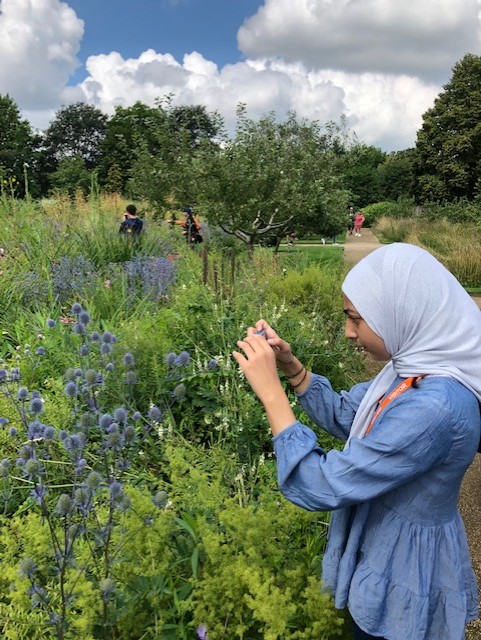
Through HOPE for the Future, she led a gardens-based programme of community engagement, targeting community groups, older people and families. Activity was developed to be targeted to Leys, Rose Hill, Littlemore, Barton wards in Oxford, among the 20% most deprived areas in England with neighbourhoods with child poverty rates over 30%. This included working in partnership with the AGE UK Oxfordshire LGBTQA+ community group in Barton, carers and pre-schoolers at Flo’s in the Park, and Men’s Shed Oxford – a local social group for older men who get together to do workshop activities together, to reduce loneliness in later life, social isolation and support wellbeing.
HOPE for the Future final report:
hope_for_the_future_report_final_09.06.23
HOPE for the Future was an ambitious three-year project to protect and share the Oxford University Museum of Natural History’s unique and irreplaceable British Insect Collection.
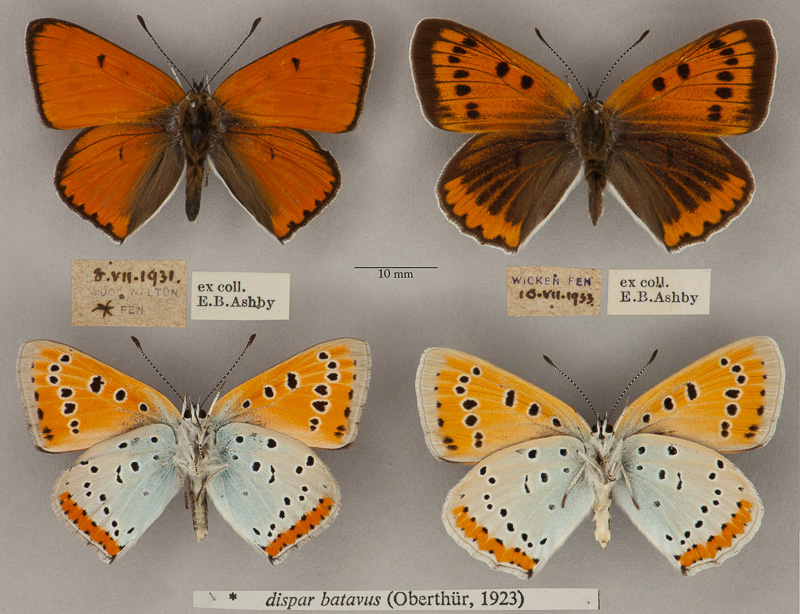
Containing over one million specimens – including dozens of iconic species now considered extinct in the UK – the collection offers us an extraordinary window into the natural world and the ways it has changed over the last 200 years.
The project focused on the intertwined heritage of our British Insect Collection and the Westwood Room.
The Westwood Room was once informally known as ‘Mr Hope’s Museum’ after Frederick William Hope, one of the founding collectors of the Oxford University Museum of Natural History in the 1840s. Hope’s Museum within a Museum became a favourite meeting place for naturalists, and Charles Darwin himself would call Frederick William Hope ‘my father in entomology’.
The HOPE acronym spells out the project’s three key strands (Heritage, Outreach and Preservation of Entomology), and is also a nod to Frederick William Hope.
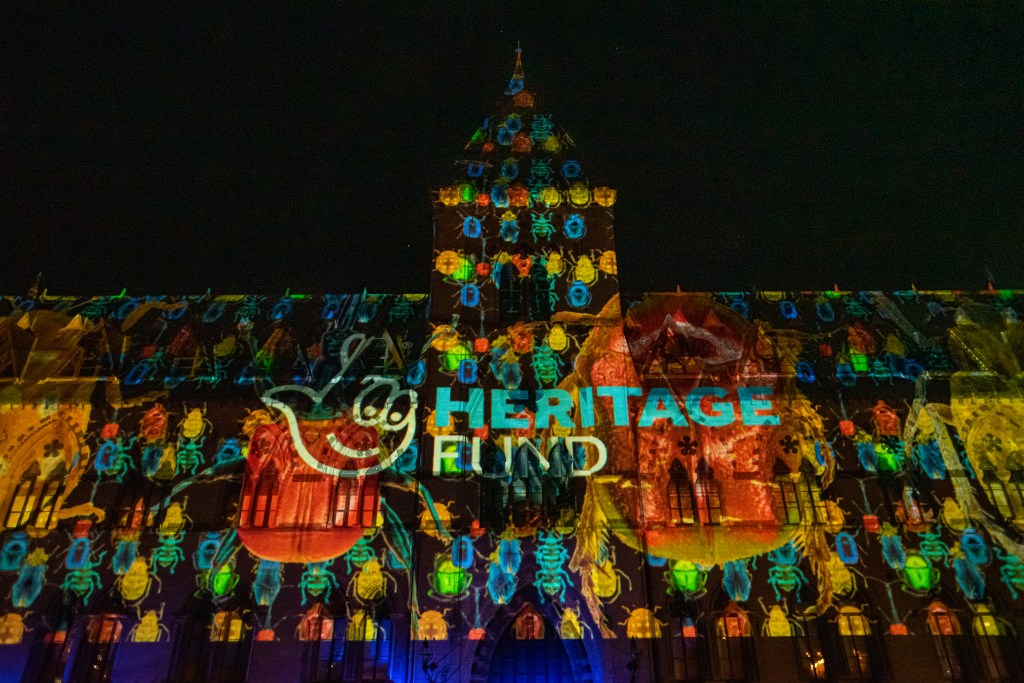
Through investment from the National Lottery Heritage Fund, with thanks to National Lottery players, we have preserved and protected 200 years of natural heritage to be shared now and with future generations.
Through HOPE for the Future we have:
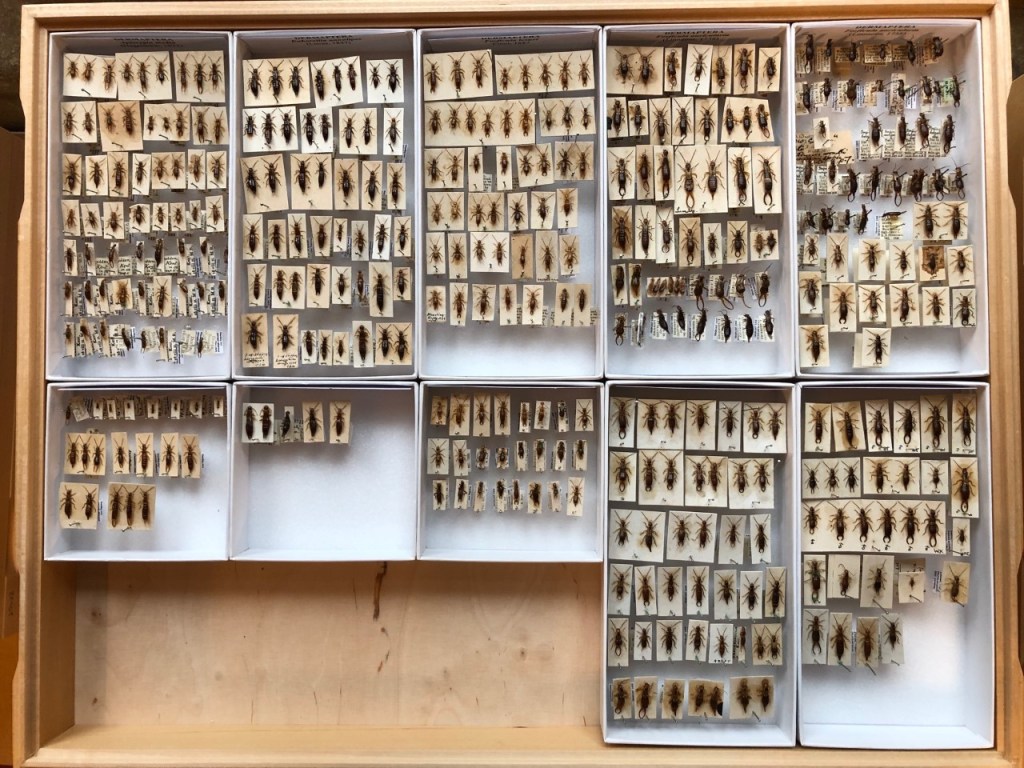
- Rehoused and documented close to one million British insects, supported by volunteers, paid internships and bursary students
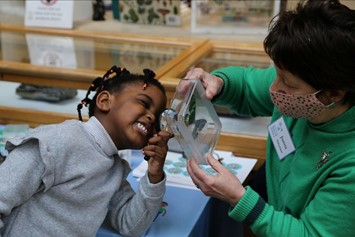
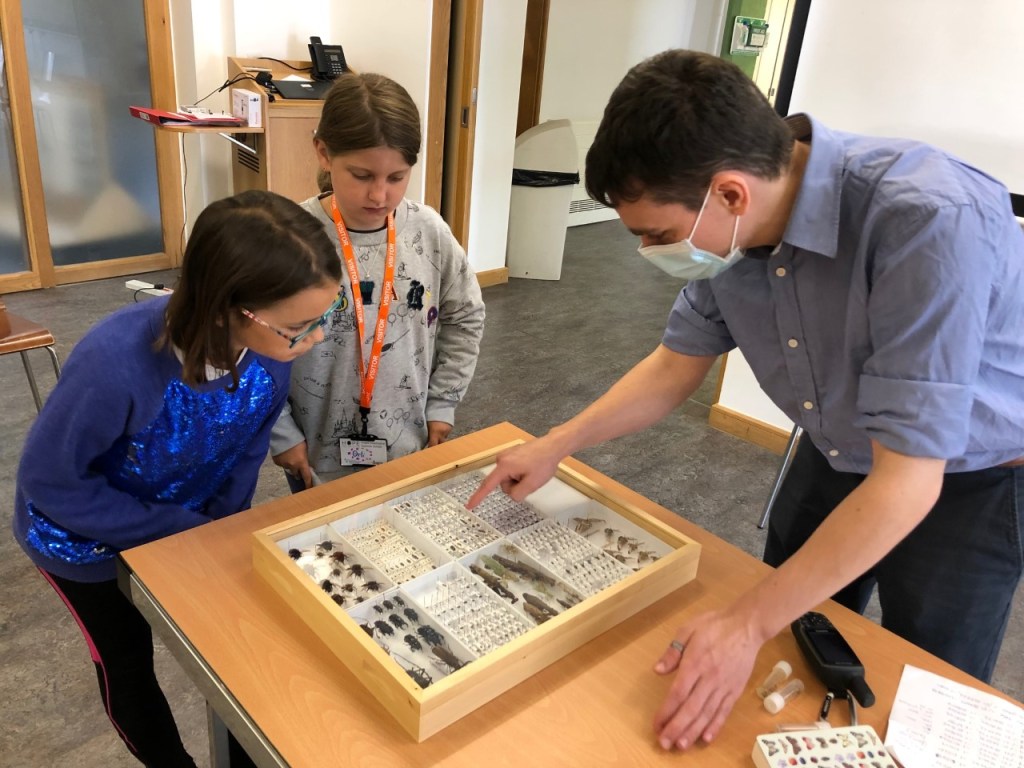
- Designed and delivered a wide-reaching learning and community programme at the Museum and beyond; developing skills and inspiring lifelong interest in the natural environment and conservation
- Restored and made accessible our historic Pre-Raphaelite-designed Westwood Room, a new multi-purpose space never before open to the public; and created the Ellen Hope Gallery with a restored and reinstated beehive, and displays looking at biodiversity, habitat loss, and the value of museum collections in documenting these changes and their impacts.


 annanotherthing...
Leave a comment